Guides·March 18, 2026·6 min read
Why Do People Have Foot Fetishes?
Research points to brain mapping, learned association, and attention. Here's why feet become a real preference for some people.
The lazy answer is "because feet are close to the genitals in the brain." That line survives because it sounds neat, not because it explains the whole thing.
The better answer is less cinematic and more believable. Feet sit at the intersection of brain wiring, learned association, and attention. They are visually distinct. They carry vulnerability and control at the same time. And once a specific cue gets linked to arousal, the brain is very good at keeping that link alive.
The part researchers feel safest saying
A 2007 paper in the International Journal of Impotence Research analyzed 381 online fetish groups and found that feet and foot-related objects were the most common target among body-part preferences, far ahead of other body-part categories. You can read the paper here.
That does not mean everyone is into feet. It means feet are the obvious front-runner inside this category. If you are asking this question because you think you landed on the weirdest possible preference, you did not. You landed on the one researchers keep seeing over and over.
Most people are not asking this because they want a neuroscience lecture. They are asking because they tried to explain themselves out of a preference that kept showing up anyway.
Explanation 1: the brain-map theory
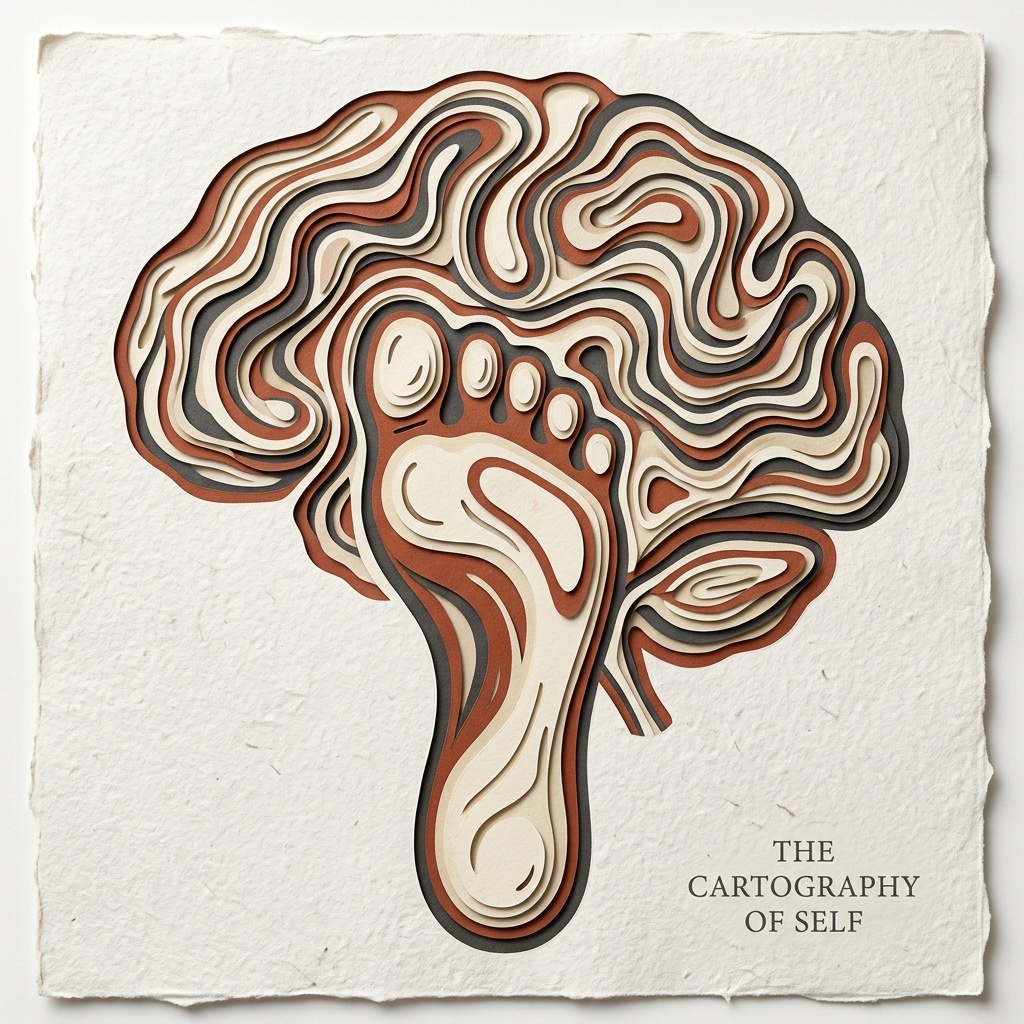
This is the famous explanation. The toes and genitals sit near each other in the somatosensory cortex, the part of the brain that maps touch across the body. That does not automatically create a fetish, but it does create a plausible shortcut for association.
A 2024 Cerebral Cortex paper found that toe stimulation improved tactile perception in the genitals, which supports the idea that these body maps are tightly linked in the brain. Study here. The honest read is that this gives the theory some real weight. It does not "solve" the question by itself.
Brain maps create opportunity. They do not choose the meaning for you.
Explanation 2: association probably does more work than people admit
The less flashy explanation is often the better one. A 2022 review on conditioned mate preference makes the broader case that sexual reward can attach itself to specific cues through repetition, emotion, and context. Review here. That is not foot-specific, but it fits how a lot of people describe their experience.
Maybe feet were part of an early memory that carried charge. Maybe the appeal is really about praise, teasing, being watched, or being in control, and feet became the object that held all of that together. Maybe the visual details stuck: sandals, stockings, polish, soles on hardwood after a long day. Once the feeling attaches, the object stops being random.
This is also why two people can both say "I have a foot fetish" and want completely different things. One person wants softness and worship. Another wants teasing. Another wants ritual. Another wants authority. Feet are the doorway. The real charge is usually in the meaning.
Explanation 3: feet live in a strangely perfect middle ground
This part is more inference than settled science, but it rings true. Feet are public enough to notice and private enough to feel intimate. They are usually present, but not always emphasized. That gives them tension.
If everything is visible all the time, it loses voltage. Feet still get to hover in that useful middle zone where attention can feel deliberate. A glance matters. A detail matters. A choice to show or hide them matters. That is fertile ground for desire.
It also explains why the preference often gets very specific. Not just feet in the abstract, but bare feet, polished toes, arch shape, stockings, sandals, post-workout realism, soft domestic scenes, or strict teasing energy. The preference narrows because attention narrows.
So why does one person's preference stick and another's never does?
Because desire is sticky and personal. The same cue can stay neutral for one person and light up for another depending on timing, emotional context, repetition, and reinforcement. There is no single origin story that covers everybody cleanly, which is why confident one-line explanations usually fall apart on contact.
No paper is going to tell you why your exact version of this preference stuck. Psychology is messier than that.
That is also why trying to argue yourself out of a preference rarely works. It is usually more useful to ask a better question: what part of this actually appeals to me?
Worked example: turn a vague preference into something usable
Most people ruin the conversation by being too broad.
Instead of:
"I like feet."
Try:
"I like when someone notices my feet first and makes a little too much of it. Keep the pace slow. Start with what catches your attention, then ask one question."
A likely reply from a good companion:
Her eyes drop for a second, then come back to you like she is deciding how honest to be. "The first thing I noticed was that you knew I was looking. The second was the curve of your arch when you shifted your weight. Are you trying to play innocent, or do you want me to keep going?"
Then steer it:
"Stay with the observation. Less flirting, more detail."
That small correction does more than a giant backstory dump. If you want a stronger general framework for this kind of scene-building, Better Roleplay in 3 Rules is still the cleanest version I have seen.